Gentle Slicker Brush Grooming for Dogs, Cats & Pets
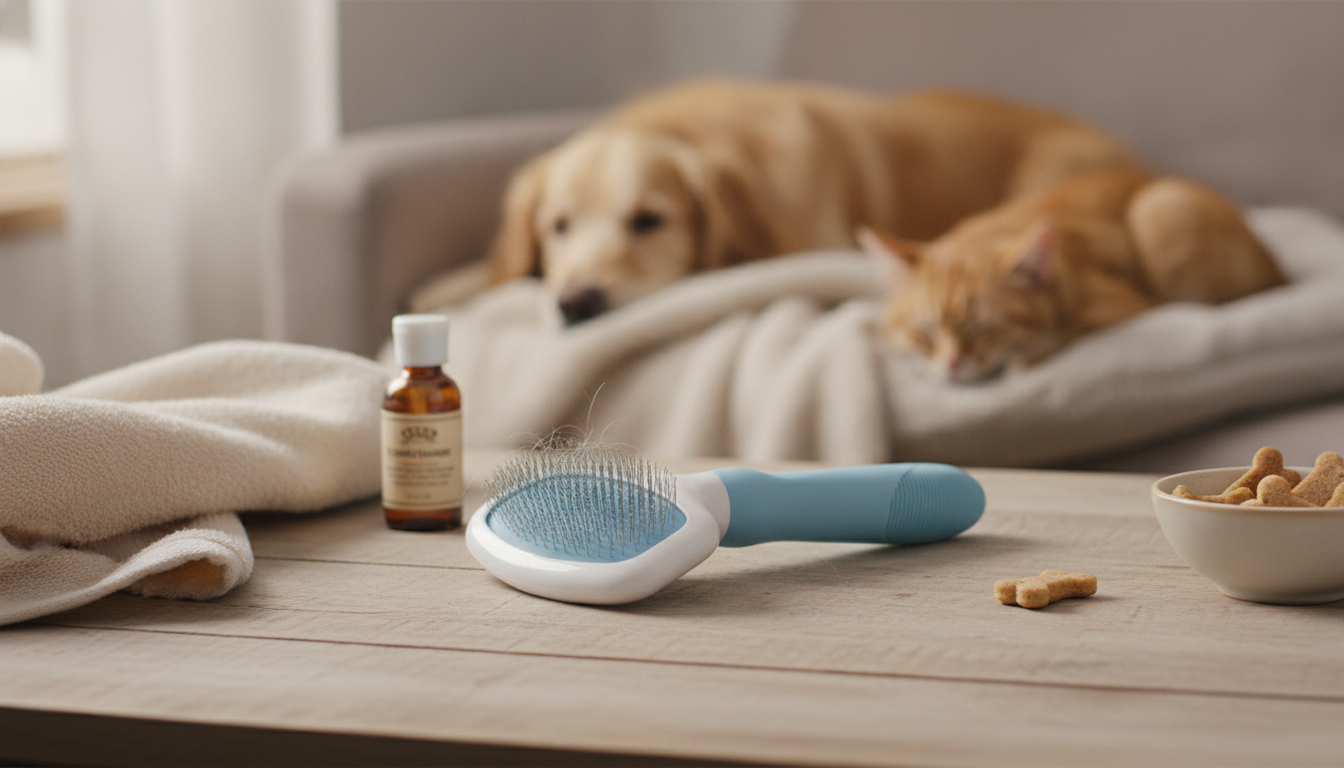
Premium Slicker Brush for Dogs, Cats & Small Pets: Comfortable Grooming for Softer Coats
A well-made slicker brush can turn daily grooming into a quick, comfortable routine—lifting loose fur, helping prevent tangles, and keeping coats looking tidy between baths. For dogs, cats, and small pets with shedding or fine undercoats, the right brush and technique can reduce hair around the home while supporting healthy skin through gentle, consistent brushing. For more guidance, see Insights and Resources on Improved Access to Grooming for Overall ….
What a Slicker Brush Does (and When It Helps Most)
A slicker brush is designed with fine pins that catch and collect loose hair while moving through the coat. Used correctly, it’s one of the most efficient tools for routine maintenance—especially when shedding ramps up. For further reading, see At-Home Pet Grooming: Top Tips and Recommendations – ASPCA.
- Lifts and collects loose hair from the topcoat and undercoat, especially during seasonal shedding.
- Helps break up small tangles and early mats before they tighten and become painful to remove.
- Distributes natural oils along the coat for a smoother look and less dullness.
- Works well for many coat types, but technique should change for short, medium, long, curly, or double coats.
- Not a replacement for medical skin care—persistent itching, redness, or hair loss should be checked by a veterinarian.
For general grooming guidance, the American Kennel Club’s tips can help set expectations for coat care and handling: American Kennel Club: Dog Grooming Tips.
Comfort and Safety: Getting the Technique Right
The biggest difference between a pleasant grooming session and an unpleasant one is almost always pressure and pacing. Slicker pins should glide—never scrape.
- Start with calm handling: allow the pet to sniff the brush, then begin with short sessions and reward frequently.
- Use light pressure: slicker pins should glide through fur without scraping skin; sensitive areas include belly, armpits, behind ears, and inner thighs.
- Brush in sections: part the coat and work from outer layers toward denser areas to avoid surface-only grooming.
- For tangles: hold fur near the skin with one hand to reduce tugging, then work the slicker through the tangle a little at a time.
- Stop if skin looks pink or irritated; overbrushing can cause “brush burn,” especially on thin-coated pets.
- Follow with a quick wipe-down or soft comb pass if the coat needs extra smoothing.
Cats in particular benefit from gentle, brief sessions. Cornell’s feline grooming overview is a helpful reference for what’s normal versus what may need extra care: Cornell Feline Health Center: Grooming Cats.
Choosing the Right Slicker Brush for Dogs, Cats, and Small Pets
Not all slicker brushes feel the same in the coat. A “better” brush is the one that matches your pet’s coat density, your control needs, and the amount of time you can realistically commit each week.
- Pin feel and flexibility: finer, gentler pins can be better for cats and small pets; sturdier pins may help with thicker dog coats (still used lightly).
- Brush head size: smaller heads help with control around faces, legs, and smaller bodies; larger heads cover big dogs faster.
- Handle comfort: an easy-grip handle reduces wrist strain during shedding seasons and long-coated grooming.
- Coat density matters: dense double coats benefit from frequent, controlled passes; curly or long coats may need careful sectioning to avoid surface-only brushing.
- If mats are frequent: plan to pair brushing with detangling spray and/or a comb; severe mats may require a professional groomer to avoid injury.
Quick guide to matching a slicker brush to coat needs
| Pet/Coat | Best Use | Brushing Frequency | Extra Tips |
|---|---|---|---|
| Short coat (most dogs/cats) | Loose hair and light debris | 1–2x per week | Use very light pressure; focus on high-shed areas. |
| Medium coat | General shedding control and minor tangles | 2–4x per week | Work in sections along the body; avoid overbrushing. |
| Long coat | Prevent tangles; keep feathering tidy | 3–5x per week | Part the coat; support fur near skin when detangling. |
| Double coat | Seasonal shedding and undercoat lift | 2–5x per week (more in shed) | Short, controlled strokes; don’t scrape the skin. |
| Small pets with fine fur | Gentle coat maintenance | As tolerated | Keep sessions brief; choose a smaller head and very light strokes. |
A Simple Routine for Less Shedding and Fewer Tangles
Care and Cleaning to Keep the Brush Working Like New
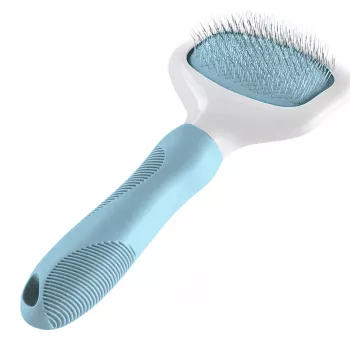
Featured Pick: Premium Slicker Brush for Dogs, Cats & Small Pets
If you want one practical brush that fits into an everyday routine, Premium Slicker Brush for Dogs, Cats & Small Pets is designed for regular coat maintenance across multiple pet sizes—especially helpful in multi-pet homes.
Helpful add-ons from the shop
- Car Safety Inspections eBook: Ultimate Guide for DIY Checklists, Tools, and Tips (useful for pet owners planning road trips and wanting a simple checklist before traveling).
- Luxury Brushed Gold Concealed Shower System with 3 Modes Rain Shower Set (a home upgrade idea for households that do frequent rinse-offs after muddy walks).
FAQ
Can a slicker brush be used on cats and small pets safely?
Yes, when used with very light pressure and short sessions. Avoid thin-skinned areas, stop if irritation appears, and use controlled strokes rather than pressing down into the coat.
How often should a pet be brushed with a slicker brush?
It depends on coat type and shedding: short coats often do well 1–2 times per week, medium coats 2–4 times, and long or double coats 3–5 times weekly (more during seasonal shedding). Adjust based on comfort, skin condition, and how quickly tangles form.
What should be done if the brush catches on a mat?
Don’t pull. Hold the fur near the skin to reduce tugging, then work the outer edge of the mat in small passes; a detangling spray and a comb can help. For tight, widespread mats, a professional groomer is the safest option.









Leave a comment