Folding Ladder + Scaffold Boards: Safe, Flexible Platform
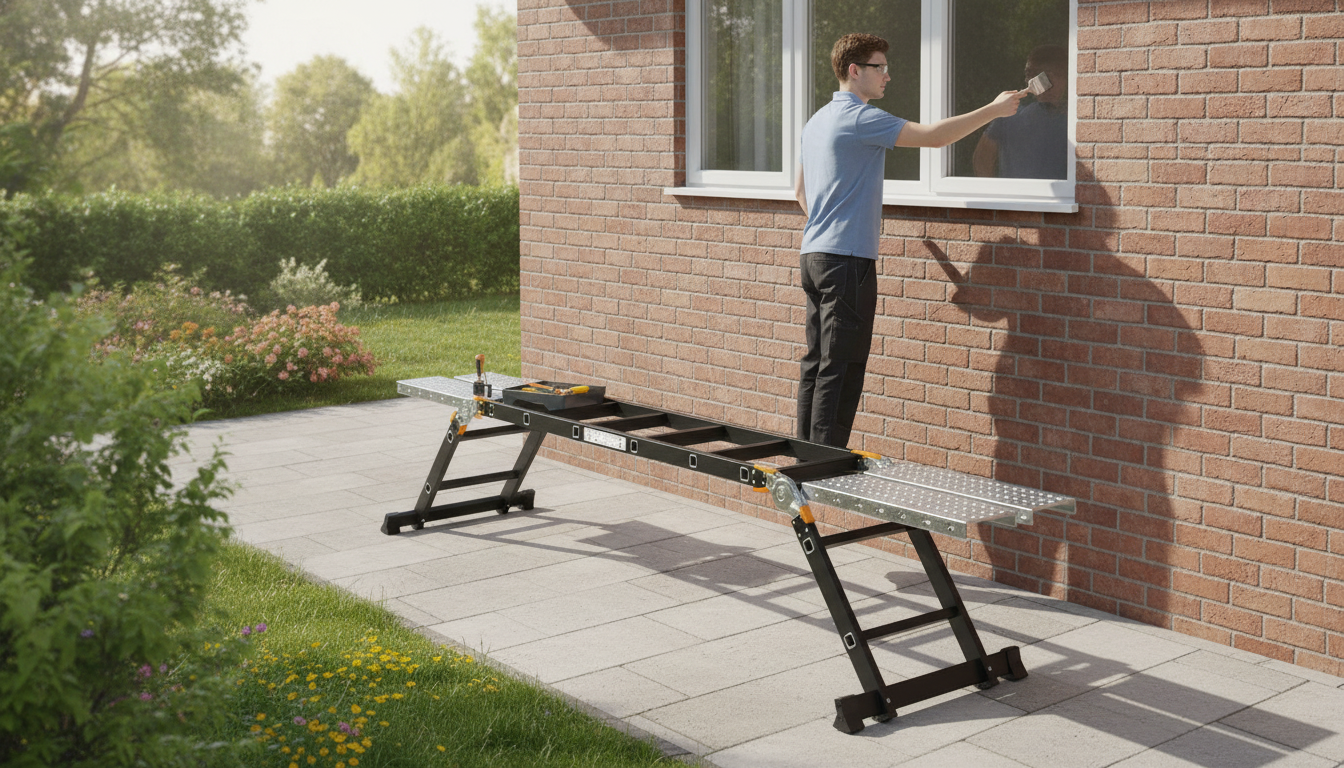
Multi-Purpose Folding Ladder with Scaffold Boards: Flexible Access for Painting, Repairs, and Installations
A folding ladder that converts into a working platform can cut down on setup time and make common home and light jobsite tasks feel steadier—especially when switching between “climb-and-reach” work and two-footed tasks like cutting in paint, sanding, or installing fixtures. A multi-purpose folding ladder paired with scaffold boards aims to bridge that gap: it can function as a ladder when height is the priority, then convert into a platform-style setup when the job benefits from a wider stance and room to move. For more guidance, see Use of portable ladders on tank builder’s scaffolds during … – OSHA.
Below are practical ways this ladder-and-board combination is used, what to check before every setup, and how to match the configuration to the task so the work stays efficient and controlled. For further reading, see California Code of Regulations, Title 8, Section 1637. General ….
What this ladder-and-board setup is designed to do
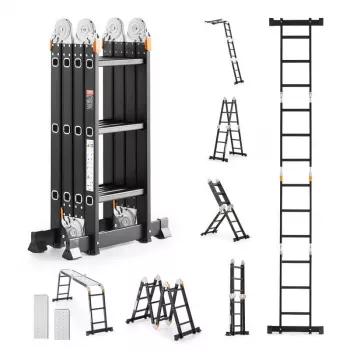
- Switch between climbing modes and platform work: Use it as an A-frame/step ladder or a leaning ladder for quick access, then transition to a board-supported platform when both-hands tasks demand steadier footing.
- Create a wider standing area: Scaffold boards can provide a broader, more comfortable stance for painting edges, ceiling prep, or fixture swaps where repeated repositioning is a hassle.
- Pack down smaller than dedicated scaffold frames: For many garages, sheds, and vans, a folding system is easier to store and transport than full-size scaffolding components.
- Cover a range of indoor and outdoor projects: With firm, level ground and proper load limits observed, this setup can support everything from interior touch-ups to exterior maintenance.
Common jobs where a folding ladder with scaffold boards helps
- Painting and patching: A platform-style stance can reduce constant up-and-down movement while rolling, cutting in, or feathering drywall compound.
- Drywall and trim: A wider work area can help when fastening along a run—keeping tools closer and minimizing awkward reach (only when it stays within the ladder/board rating).
- Electrical and lighting: Platform work can reduce overreaching and help keep shoulders square to the task, especially for ceiling fixtures.
- Window and gutter access: Use ladder mode for quick reach, then switch to a platform setup when the task takes longer and benefits from side-to-side movement.
- Outdoor maintenance: Useful for siding touch-ups, porch ceilings, and fence repairs—while avoiding soft soil, wet grass, and slopes that can compromise footing.
Quick configuration guide (and when each is safest)
Different configurations favor different jobs. The safest setup is usually the one that keeps the task in a comfortable reach zone without forcing you to lean, twist, or stand higher than recommended.
| Setup | Best for | Key safety check before use |
|---|---|---|
| A-frame (step ladder) | Quick paint touch-ups, ceiling smoke detector swaps | All hinges/locks engaged; feet flat and not rocking |
| Leaning ladder | High reach tasks like exterior trim or entryway lights | Stable angle; top contact secure; base cannot slip |
| Two-ladder platform with scaffold boards | Painting a wall section, sanding, installing long trim | Both sides level; boards fully seated and rated for the span |
A-frame/step-ladder style
Best when you’ll reposition often—spot painting, quick inspections, or small ceiling tasks. Fully engage spreaders and locks, and confirm the ladder is not rocking before you climb.
Straight/leaning ladder style
Best for higher reach tasks when you need vertical access more than lateral movement. Keep a stable angle, make sure the base won’t slide, and secure top contact when practical.
Platform/scaffold-board setup
Best for longer duration work where you need controlled, side-to-side movement—painting a wider wall section, sanding, or installing longer materials. Before stepping onto boards, confirm both ladder sides are level, locked, and positioned to support the intended span without improvisation.
Avoid improvised bridging: Only use compatible scaffold boards intended for platform work with the ladder system. Unrated boards, damaged planks, or unsupported spans can fail suddenly.
Safety checks that prevent most ladder accidents
For broader guidance, review OSHA’s portable ladder safety recommendations and the NIOSH ladder safety resources, including planning and setup considerations.
Fit, storage, and transport: practical considerations before buying
Care, maintenance, and long-term reliability
A practical option to consider
If the goal is to move smoothly between ladder access and platform-style work, Multi-Purpose Folding Ladder with Scaffold Boards is a flexible choice for painting, repairs, and installations where quick conversion and compact storage matter.
For renovation tasks that often pair with ladder work—like replacing a shower system—having stable access can make measuring, marking, and fastening more controlled. If a bathroom upgrade is on the list, consider pairing your access setup with Luxury Brushed Gold Concealed Shower System with 3 Modes Rain Shower Set for a coordinated project plan.
FAQ
Can scaffold boards be used on any folding ladder?
No. Only use boards that are designed and rated for platform use with the specific ladder system, and confirm fit, supported span, and load rating for both the ladder and boards.
How can a platform setup be made steadier for painting?
Set up on a firm, level surface, ensure both sides are fully locked, and confirm the boards are properly seated. Keep the platform clear of spilled paint and debris, and reposition instead of overreaching.
What should be checked before stepping onto the scaffold boards?
Verify hinge and spreader locks, solid foot contact, levelness on both sides, correct board seating, and the combined load of you plus tools. Inspect for damage or looseness before each use.









Leave a comment