Stress-Proof Skincare: Calm Skin, Fewer Breakouts, More Glow
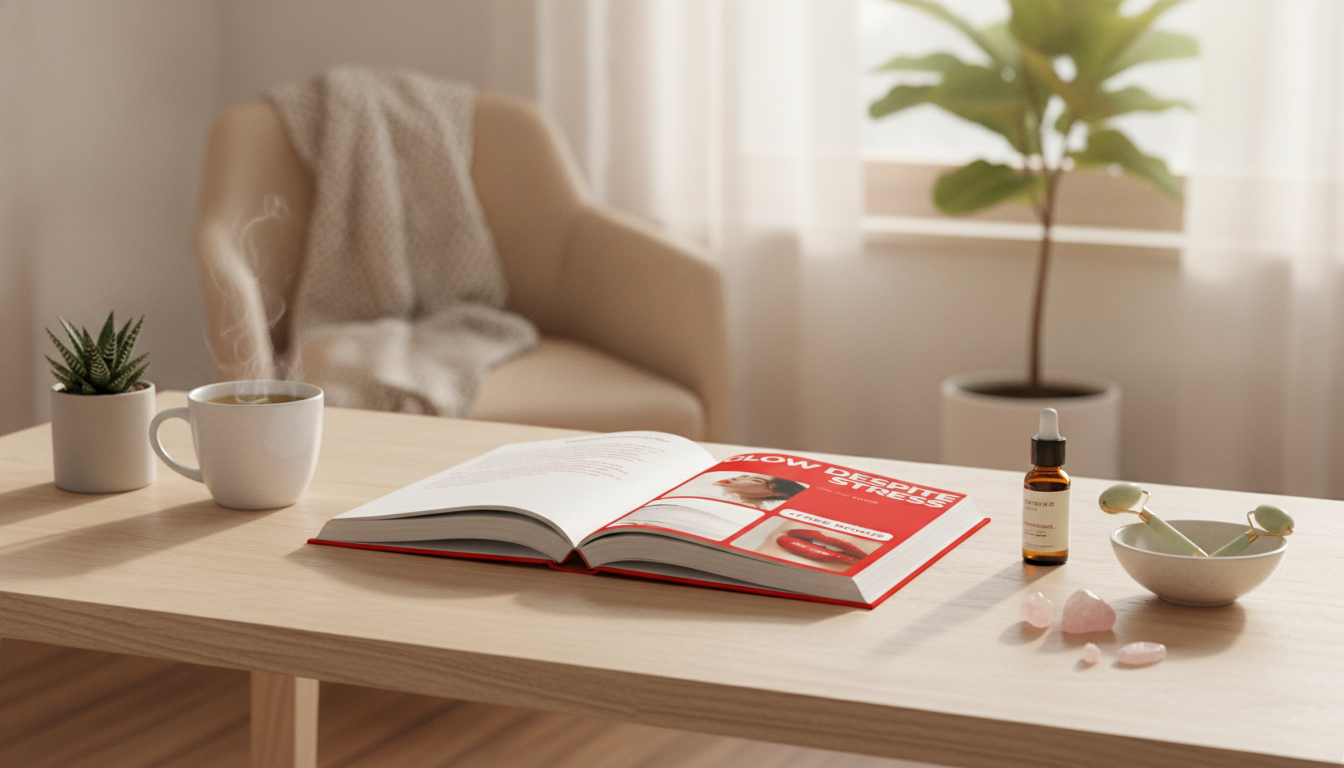
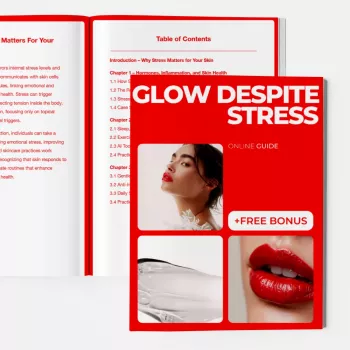
Glow Despite Stress: Your Ultimate Guide to Skincare and Stress Management
Stress has a way of showing up right on the surface: dullness, breakouts, sensitivity, dehydration, or faster-looking aging. The good news is that you don’t need a complicated routine to get your glow back. A calm, consistent skincare baseline—paired with a few simple stress-lowering habits—can help restore barrier strength, even tone, and comfort, especially during hectic weeks.
What Stress Does to Skin (and Why It’s So Common)
Stress affects skin through a mix of internal chemistry and everyday habits. When your body stays in “go mode,” it’s easier for skin to swing oily, irritated, or reactive.
- More oil and inflammation: Stress hormones can nudge oil production upward and increase inflammation, which can make blemishes, redness, and flare-ups more likely.
- Less overnight repair: Sleep disruption can interfere with the skin’s natural repair cycle, often showing up as dullness, puffiness, and more noticeable dark circles.
- A weaker barrier: Under stress, skin can feel drier and more sensitive, with stinging from products that used to feel fine.
- Behavior effects: Touching your face, picking, skipping routines, or forgetting water can pile on and prolong irritation.
For a deeper look at the stress-skin connection, the American Academy of Dermatology Association outlines how stress can worsen common concerns like acne and eczema, and why gentle care matters during flares.
Quick Skin Check: Match Symptoms to Supportive Steps
When stress is high, the fastest path to better skin is usually fewer products, not more. Start with the most noticeable issue (breakouts, dryness, redness, dullness), prioritize barrier support, and keep changes steady for 2–4 weeks unless irritation shows up.
| What you notice | Likely stress-related driver | First steps (1–2 weeks) | Ingredients to consider |
|---|---|---|---|
| More breakouts (jaw/cheeks/forehead) | Inflammation + extra oil + touching face | Gentle cleanse, avoid scrubs, spot treat, keep routine consistent | Salicylic acid (BHA), benzoyl peroxide (low %), niacinamide |
| Dry, tight, flaky skin | Barrier disruption + dehydration | Switch to mild cleanser, add moisturizer, reduce actives temporarily | Ceramides, glycerin, hyaluronic acid, petrolatum (occlusive) |
| Redness or burning with products | Heightened sensitivity + impaired barrier | Stop new actives, use bland moisturizer, patch-test reintroductions | Colloidal oatmeal, panthenol, squalane |
| Dullness and uneven tone | Poor sleep + slower turnover | Prioritize sleep, daily sunscreen, add gentle exfoliation 1–2x/week | Vitamin C, lactic acid (gentle AHA), azelaic acid |
| Puffiness/dark circles | Sleep debt + fluid shifts | Cold compress, consistent sleep window, hydration, sunscreen around eyes | Caffeine eye products, peptides (optional) |
A Simple Routine That Holds Up During Stress
The goal is a routine that still feels doable when you’re tired, busy, or mentally maxed out. Think “small and repeatable.”
Morning (3–4 steps)
Night (3 steps, plus an “extra” only if needed)
If you want a step-by-step framework you can stick to during deadline-heavy months, Glow Despite Stress: Your Ultimate Guide to Skincare and Stress Management is designed around realistic routines and easy-to-repeat habit building.
Makeup days can be easier on stressed skin when application is gentle and clean. A soft, controlled set like the 8pcs Professional Makeup Brush Set can help minimize tugging and over-blending on areas that feel sensitized.
Stress-Management Habits That Show Up on the Skin
- Breathing reset (3–5 minutes): Try slow breathing with a longer exhale to reduce perceived stress and soften tension habits (like jaw clenching or face touching). Harvard Health explains the body’s stress response and why calming signals matter over time: Understanding the stress response.
- Movement snack (10–20 minutes): A walk after lunch or gentle yoga can support mood regulation and sleep quality.
- Caffeine and alcohol awareness: Both can worsen dehydration and disrupt sleep—aim for earlier cutoffs and balance with water.
- Micro-breaks: Short daylight breaks and quick stretching can reduce forehead and jaw tension that contributes to a “tired face.”
Food, Hydration, and Sleep: The Skin-Support Basics
- Steady meals, steadier skin: Build meals around protein and fiber to support stable blood sugar and reduce stress cravings.
- Hydration works best as a pair: Regular water intake plus moisturizing skincare is more effective than either alone.
- Protect your sleep window: Keep a consistent wake time, dim lights 60–90 minutes before bed, and avoid doom-scrolling right before sleep.
- Know your sleep target: Many adults do best with 7–9 hours; the National Sleep Foundation offers general guidelines that can help you set a realistic goal.
For an extra calming reset that supports your nighttime routine, a warm shower can help signal “off-duty” mode. If you’re upgrading your space for more consistent self-care rituals, consider the Luxury Brushed Gold Concealed Shower System with 3 Modes Rain Shower Set.
Skincare Mistakes That Backfire When You’re Stressed
Put It Together: A 7-Day Reset Plan
A Guided Approach for Long-Term Results
FAQ
Can stress cause acne even with a good skincare routine?
Yes. Stress can increase inflammation and oil production, disrupt sleep-driven repair, and lead to behaviors like face touching or picking. Stick to a simple routine, avoid over-exfoliating, and add only one acne-targeted ingredient at a time (like BHA, low-percentage benzoyl peroxide, or niacinamide).
What’s the best skincare routine when skin suddenly becomes sensitive?
Go barrier-first: use a gentle cleanser, a fragrance-free moisturizer, and daily sunscreen, and pause strong actives until stinging and redness settle. Patch-test and reintroduce products slowly; if burning, swelling, or persistent rash continues, it’s a good time to check in with a dermatologist.
How long does it take for stress-related skin flare-ups to improve?
Mild irritation can calm in a few days to about two weeks once triggers are removed and hydration is restored. Acne and post-breakout marks often take 4–8 weeks to noticeably improve, especially if routines are changed too frequently. Consistency usually beats intensity.









Leave a comment