Motivation to Clean: Simple Resets That Actually Stick
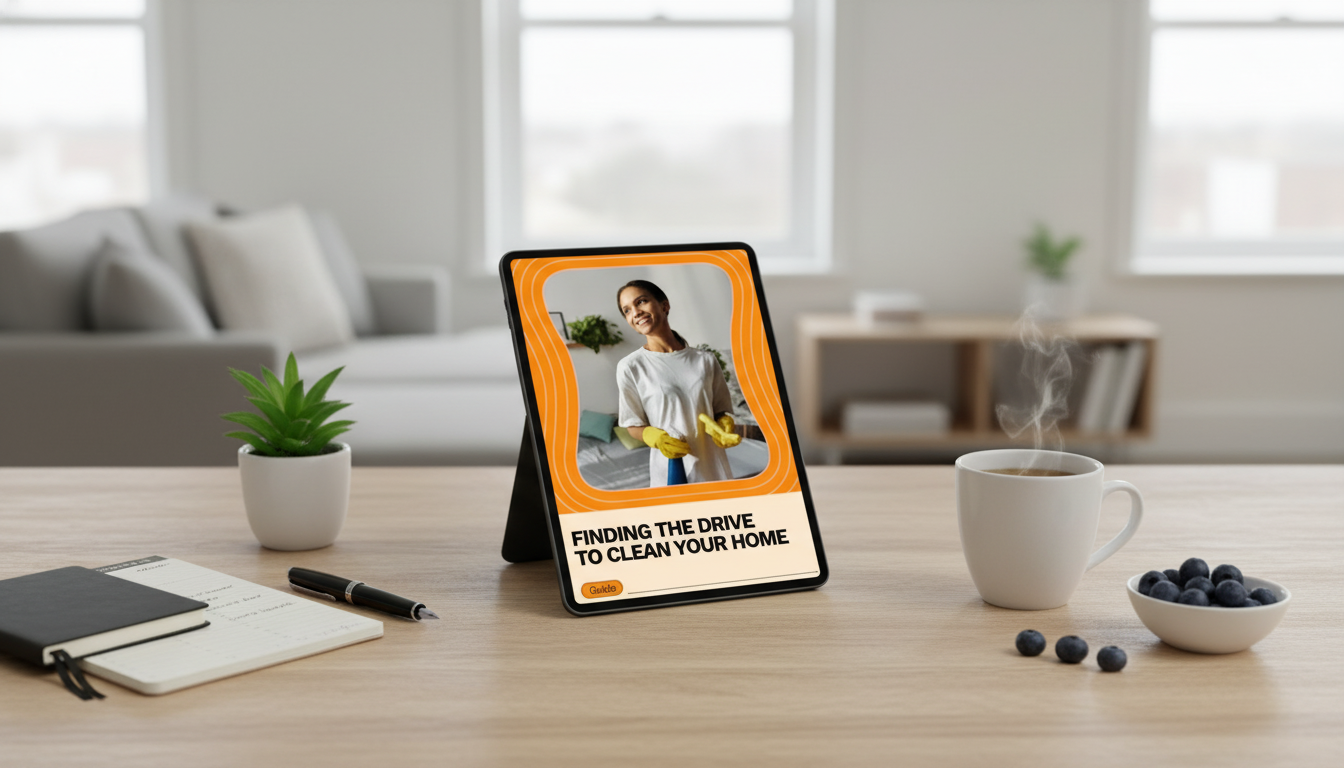
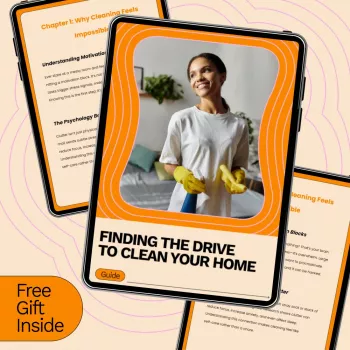
Finding the Drive to Clean Your Home: The Ultimate Guide to Motivation for Cleaning Your House
Motivation to clean rarely shows up on command. More often, it’s something you build—through small wins, clear start cues, and a plan that makes progress feel manageable. When cleaning feels heavy, it usually isn’t about character or willpower; it’s about mental load, unclear priorities, and tasks that expand to fill your whole day. The goal is a practical system that turns “I should clean” into “I know exactly what to do next.”
Why cleaning feels so hard (and why it’s not laziness)
Cleaning can feel uniquely draining because it asks you to make dozens of tiny decisions while you’re already tired. A few common friction points explain why “just start” is rarely helpful.
- Decision fatigue: Too many possible tasks makes choosing a first step feel impossible.
- All-or-nothing thinking: Expecting a full-house deep clean leads to avoidance, especially on busy weeks.
- Visual overwhelm: Clutter can block your ability to see what would help most right now.
- Low reward clarity: Benefits (calm, ease, hygiene) can feel delayed, while effort is immediate.
- Hidden friction: Missing supplies, unclear routines, or items without a “home” add extra steps and stop you mid-task.
Motivation, in the simplest sense, is what initiates and sustains goal-directed behavior (see the APA definition of motivation). If your environment and routines make starting costly, motivation will feel unreliable—even when you care a lot.
Set a “minimum viable clean” for fast relief
A minimum viable clean is a small baseline that counts as success. It’s not your “ideal home.” It’s the shortest path to feeling functional again.
- Define a tiny baseline: For many homes, “clear counters + empty trash + sink reset” is enough to change the mood.
- Pick 1–2 impact zones: Entryway, kitchen sink, bathroom vanity, or the bed can shift how the whole house feels.
- Use a visible finish line: “Table is usable” or “floor is clear enough to vacuum” beats vague goals like “clean up.”
- Stop on purpose: End at the baseline the first few times so your brain learns cleaning won’t take over the day.
Minimum viable clean examples by area
| Area | 5–10 minute baseline | What it improves most |
|---|---|---|
| Kitchen | Load dishes, wipe counters, reset sink | Morning start and meal prep |
| Living room | Clear floor, gather items into a bin, fluff pillows/blanket | Stress and visual calm |
| Bathroom | Wipe sink, replace towel, quick toilet wipe | Hygiene and freshness |
| Bedroom | Make bed, laundry into one hamper, clear nightstand | Sleep cues and relaxation |
| Entryway | Shoes aligned, mail into one tray, quick sweep | First impression and daily flow |
Use momentum triggers that make starting automatic
The easiest cleaning routine is the one that starts without negotiation. Build “start cues” so you don’t have to wait to feel ready.
- Pair cleaning with an existing habit: After coffee, after dinner, or before a shower.
- Use a timer: A 5-minute “start” timer removes open-endedness; a 15-minute follow-up builds momentum.
- Create one dedicated reset playlist: Repetition turns the first song into a start signal.
- Store supplies where the task happens: Bathroom wipes under the sink; a small vacuum near the main path.
- Lower the bar for the first minute: “Pick up 10 items” or “clear one square meter.”
When hygiene is the priority, follow straightforward, credible guidance on what “clean” should look like (the CDC’s guide on how to clean and disinfect your home is a solid reference point).
Make a simple plan: daily resets, weekly focus, monthly deeper tasks
Motivation grows when you stop “restarting from zero.” A simple rhythm keeps the home livable without turning weekends into marathon scrubs.
If you want an easy way to track what’s due without overthinking it, a structured guide like Finding the Drive to Clean Your Home: The Ultimate Guide to Motivation for Cleaning Your House can help turn good intentions into repeatable routines.
Motivation tactics that work on low-energy days
For a fresh-home baseline that supports health and comfort, the NHS also shares practical home hygiene guidance you can use as a reality check for what matters most: cleaning and hygiene at home.
Declutter lightly to make cleaning easier (without a big project)
A guided approach when you want structure and accountability
For a motivation-first approach that focuses on consistency (not perfection), consider Finding the Drive to Clean Your Home: The Ultimate Guide to Motivation for Cleaning Your House.
Keep the results: maintenance that doesn’t steal your weekends
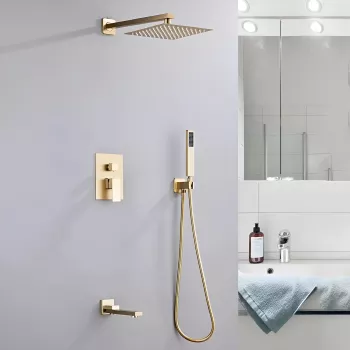
If a bathroom refresh motivates you to keep up with resets, upgrading a daily-use space can help. A fixture like the Luxury Brushed Gold Concealed Shower System with 3 Modes Rain Shower Set can make the “before shower” cleaning cue feel more rewarding. For a quick vanity reset, keeping tools together (and easy to put away) matters—an item like the 8pcs Professional Makeup Brush Set pairs well with a simple container boundary so counters stay clear.
FAQ
How do you start cleaning when you feel overwhelmed?
Set a 5–10 minute timer and choose one small zone like the sink or a single counter. Do an “ugly first pass” by gathering clutter into a bin first, then decide what to put away only if time remains.
What if motivation disappears halfway through cleaning?
Switch to a defined finish line like “trash out + surfaces wiped,” and shorten the timer so the end is close. Add a reward pairing (music or a podcast) to carry you to a clear stopping point.
How can cleaning become a habit instead of a big occasional project?
Use short daily resets plus one weekly focus block, and attach them to routines you already do (after dinner or before a shower). When starting is automatic, cleaning stops depending on mood.








Leave a comment