Expandable Waterproof Travel Laptop Backpack: Fit & Pack
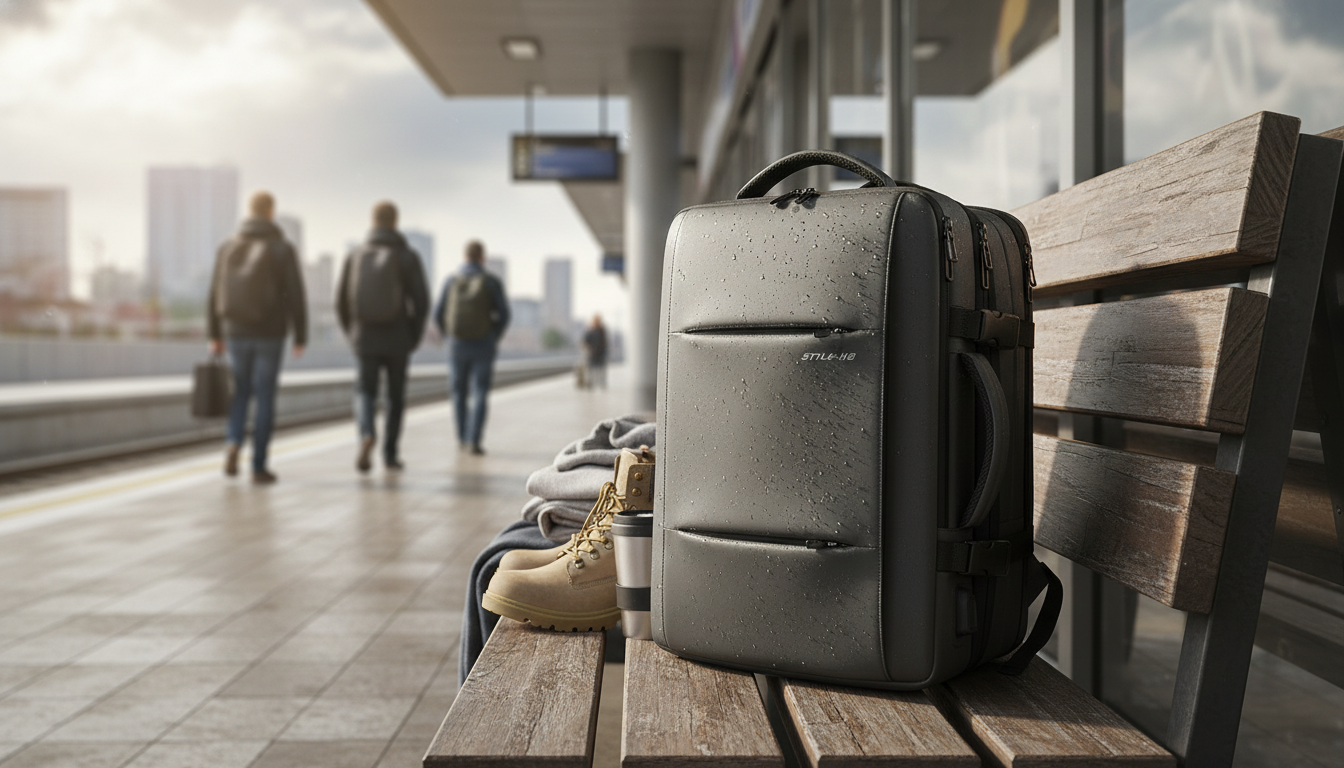
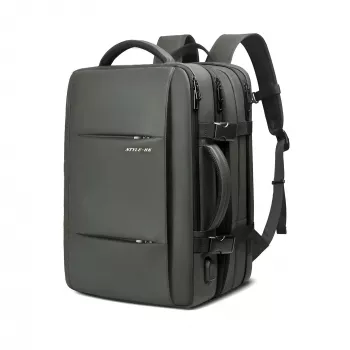
Expandable Men’s Travel & Laptop Backpack (Waterproof, Large Capacity): Practical Guide to Fit, Comfort, and Packing
An expandable travel backpack can cover the same role as a small suitcase on short trips—while still keeping your laptop protected and your daily grab-and-go items organized. The key is understanding what “large capacity” and “waterproof” usually mean in day-to-day use, then packing in a way that keeps weight balanced and access simple.
What Makes an Expandable Travel Laptop Backpack Different
Expandable travel laptop backpacks are built for “variable days”: a slim commute on Monday, then a packed-out overnight load on Friday. Instead of carrying two bags, the same pack can scale up when you need more space and compress down when you don’t.
- Expansion panel: Adds depth for travel loads, then zips down to reduce bulk for everyday carry.
- Separate laptop compartment: Helps keep electronics isolated from clothing and toiletries, and makes checkpoints faster.
- Roomy main compartment: Typically designed to fit packing cubes, tech pouches, and bulkier layers without crushing them.
- Travel-friendly layout: Fewer “tiny pockets,” more purposeful zones—so you’re not opening five compartments to find one item.
Capacity and Expandability: How to Tell If It Fits Your Trip
“Large capacity” only helps when the space is usable. A wide-opening main compartment (often a suitcase-style clamshell) makes packing faster and prevents the “bottomless pit” problem where items disappear under layers.
- For 1–2 nights: A slimmer profile can be more comfortable on trains and sidewalks; prioritize quick-access pockets and a dedicated laptop sleeve.
- For 3–5 days: Expandability becomes valuable for extra layers, shoes, or a dopp kit—without needing a second bag.
- Look for a wide opening: Packing cubes stack better when the bag opens flat, like a suitcase.
- Don’t let space invite overpacking: Even great padding can’t fully undo the strain of carrying too much weight high and far from your back.
Quick Packing Planner (Typical Loadouts)
| Trip type | What usually fits comfortably | Best packing approach |
|---|---|---|
| Commute + gym | Laptop, charger, water bottle, small lunch, gym clothes, shoes (if space allows) | Use separate pouches; keep shoes isolated if possible |
| Weekend (2–3 days) | 2–3 outfits, light jacket, toiletries, laptop/tablet, cables | Packing cubes + a slim tech pouch |
| Short work trip (3–5 days) | 3–5 outfits, toiletries, laptop, documents, umbrella | Expand for clothes; keep electronics in dedicated compartments |
Waterproof vs. Water-Resistant: What to Expect
Many backpacks marketed as “waterproof” in everyday retail are best understood as highly water-resistant: they handle rain, splashes, and wet commutes, but they’re not meant for submersion or prolonged exposure in a downpour.
- Fabric + coating: Treated fabrics can bead water, but abrasion and dirt can reduce performance over time.
- Zippers: Standard zippers are common leak points; covered or water-resistant zippers generally help more in wind-driven rain.
- Seams and construction: Stitching creates tiny entry points unless sealed; design details (flaps, overhangs) also matter.
- Extra insurance: A rain cover (included or added) improves protection during heavy weather, and a laptop sleeve/dry bag adds another layer inside.
Laptop Protection and Travel Access
Large-capacity bags can be tough on electronics if the laptop is sharing space with chargers, adapters, or toiletry bottles. The best setup keeps the laptop flat, padded, and separated from hard edges.
- Use the dedicated laptop compartment: Keep the device away from bulky items that can press into the screen or corners.
- Prioritize bottom padding: Impacts often happen when setting the bag down quickly; a cushioned base reduces risk.
- Faster checkpoints: A laptop area that opens cleanly helps when you need to remove electronics; see TSA guidance on screening rules at TSA: Laptops and Electronics.
- Battery awareness: Power banks and spare lithium batteries have specific carry rules; review FAA PackSafe — Lithium Batteries to avoid last-minute gate issues.
Comfort for Long Carry Days
Comfort is a mix of strap design, back panel airflow, and how the weight sits on your body. When a bag is expanded and packed, small ergonomic upgrades matter more.
- Wide, well-padded shoulder straps: Spread load across a bigger surface area to reduce pressure points.
- Breathable back panel: Helps reduce heat buildup on commute walks or airport treks.
- Adjustable sternum strap: Improves stability, especially when the bag is full and top-heavy.
- Luggage pass-through (if included): Lets you ride the bag on a suitcase handle to save your shoulders during long terminals.
Everyday Use Cases: Work, School, and Flights
For general carry-on expectations, airline policies vary; it can help to reference an overview like IATA: Passenger Carry-on Baggage and then confirm your airline’s current size limits.
Care Tips to Keep the Bag Weather-Ready
Product Snapshot: Expandable Men’s Travel & Laptop Backpack
At-a-Glance Details
| Item | Details |
|---|---|
| Product | Expandable Men’s Travel & Laptop Backpack, Waterproof, Large Capacity |
| Availability | In stock |
| Price | 159.01 USD |
Travel-Friendly Extras (Optional)
- Car Safety Inspections eBook: Ultimate Guide for DIY Checklists, Tools, and Tips for road-trip planning and quick pre-drive checklists.
- 8pcs Professional Makeup Brush Set as a compact option for keeping personal-care items organized in a pouch.
FAQ
Is an expandable travel laptop backpack allowed as a carry-on?
Generally yes, but it depends on the airline’s size rules and whether the bag fits the sizer when fully packed. If you’re close to the limit, keep it compressed until you’re on board.
Does “waterproof” mean a backpack can be submerged?
Usually not. Many “waterproof” backpacks are designed for rain and splashes, and performance depends on the fabric coating, zipper style, and seams; for heavy exposure, add a rain cover or use an internal dry bag.
How can a laptop be protected inside a large-capacity backpack?
Use the dedicated laptop compartment, keep heavy items away from the laptop side, and avoid loose chargers pressing against the device. Bottom padding helps, and setting the bag down gently reduces impact risk.











Leave a comment