DIY Car Safety Inspection at Home: Quick Checklist
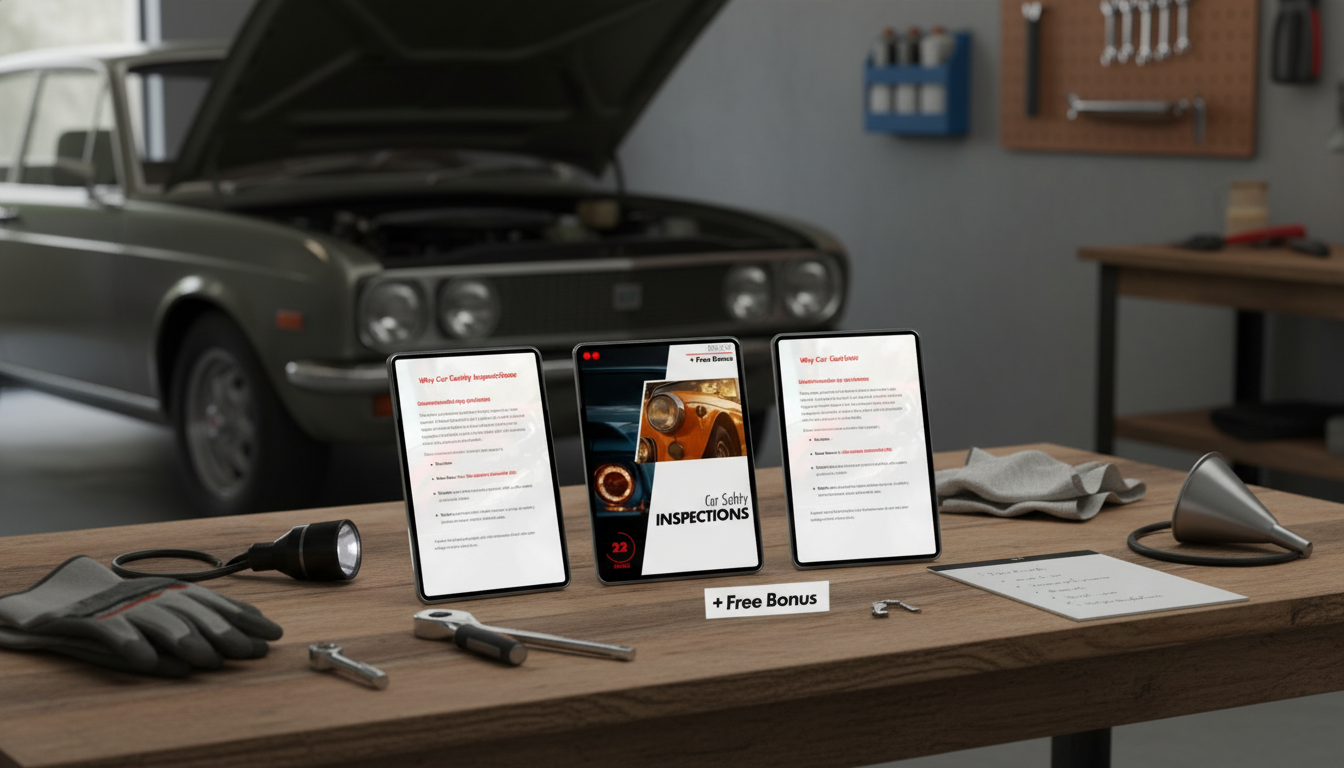
Car Safety Inspections at Home: Checklists, Tools, and Practical Tips
A consistent DIY safety inspection routine helps spot wear, leaks, and failing components before they become roadside emergencies or expensive repairs. With a repeatable process and a few basic tools, most passenger vehicles can be checked in under 20–30 minutes—perfect for monthly walk-arounds, pre-road-trip checks, and seasonal maintenance.
When to run a DIY safety inspection
- Before long drives: Focus on tires, lights, fluids, wipers, and brake feel to reduce breakdown risk.
- Monthly quick check: Catch low tire pressure, bulb failures, and fluid loss early—before they compound.
- Seasonal transition: Battery performance, coolant level/strength, wipers, and tire condition often change with big temperature swings.
- After unusual events: Curb strikes, potholes, minor collisions, or new warning lights justify an extra inspection.
Safety first: setup and precautions
- Park on level ground, set the parking brake, and use wheel chocks before working around (or especially under) the vehicle.
- Use a quality jack and jack stands; never rely on a jack alone when inspecting underneath.
- Let hot components cool (brakes, exhaust, radiator) before touching parts or opening caps.
- Wear eye protection and gloves when checking batteries, fluids, or underbody components.
- If braking, steering, or tire damage is suspected, avoid driving and schedule professional service.
Core tools that make inspections faster and more accurate
A few low-effort tools make inspections more consistent, and consistency is what helps you notice changes. For tire guidance and safety reminders, the NHTSA tire safety resource is a solid reference, and AAA car maintenance tips provide helpful general baselines.
| Tool | Use during inspection | Red flags |
|---|---|---|
| Tire pressure gauge | Confirm cold tire pressures | Repeated low pressure, large differences between tires |
| Tread depth gauge | Measure tread across each tire | Low tread, uneven wear, feathering, cupping |
| Flashlight/headlamp | Check underhood and underbody visibility | Fresh wet spots, frayed belts, cracked hoses |
| OBD-II scanner | Read trouble codes and freeze-frame data | Misfire codes, EVAP leaks, catalyst efficiency issues |
| Torque wrench | Verify lug nut torque | Loose lugs, stretched studs, uneven torque feel |
| Multimeter (optional) | Battery/charging checks | Low resting voltage, weak charging voltage |
If you want a structured, printable flow you can repeat without missing steps, the Car Safety Inspections eBook: Ultimate Guide for DIY Checklists, Tools, and Tips is designed around quick checks and deeper, scheduled reviews.
Walk-around checklist: tires, wheels, lights, glass, and body
- Tires: Check pressure when tires are cold and compare to the door-jamb placard (not the sidewall). Measure tread depth across the width and inspect sidewalls for cracks, bulges, or embedded debris.
- Wheels: Look for bends, cracks, missing lug nuts, and corrosion near the bead area (where the tire seals to the rim).
- Lights: Verify headlights (low/high), brake lights, turn signals, hazards, reverse lights, and license plate lights. If possible, use reflections (garage door/window) to confirm brake light operation.
- Glass and mirrors: Check for chips/cracks in the driver’s sightline and confirm mirrors are stable and properly adjusted.
- Wipers and washers: Replace streaking or chattering blades and confirm washer spray hits the windshield evenly. Top off washer fluid.
- Under the vehicle: Scan for new drips. Note color and smell: amber/brown (oil), pink/red (ATF), bright green/orange/pink (coolant), clear/amber (brake fluid—often near wheels).
Underhood checklist: fluids, belts, hoses, battery, and filters
Brakes, steering, and suspension: signs that need prompt attention
Test drive checks: what to listen and feel for
Organizing findings into a simple routine
A handy reference for repeatable checklists
A structured checklist reduces missed items and makes it easier to compare changes over time. For printable checklists, tool guidance, and a step-by-step inspection flow, see the Car Safety Inspections eBook: Ultimate Guide for DIY Checklists, Tools, and Tips.
Small extras that can make DIY checks easier
- Calvin Klein Jeans Men’s Brown Leather Sneakers can be a practical choice for stable footing during walk-arounds and pre-trip checks, especially on wet pavement.
- 8pcs Professional Makeup Brush Set works surprisingly well for gently dusting tight interior areas like vents and button crevices after you’ve confirmed safety-critical items.
FAQ
How often should a car safety inspection be done at home?
A monthly quick check is a solid baseline, with a deeper seasonal review and an extra inspection before long trips. Older vehicles, high-mileage driving, and harsh climates often justify more frequent checks.
What are the most important items to check before a road trip?
Start with tires (pressure and tread), lights, key fluids (oil, coolant, brake fluid), and wipers/washer fluid, then confirm the brakes feel normal during a low-speed test. Do a quick underbody scan for fresh leaks and make sure the spare tire is usable if your vehicle has one.
When should a DIY inspection stop and a professional be called?
Stop and schedule service if you notice braking or steering faults, visible tire damage (bulges/cuts), major leaks, overheating signs, severe corrosion on structural areas or lines, or warning lights tied to misfires or brake systems. These conditions can escalate quickly and may make the vehicle unsafe to drive.












Leave a comment