30kPa Cordless Stick Vacuum: LED Display & 55-Min Run
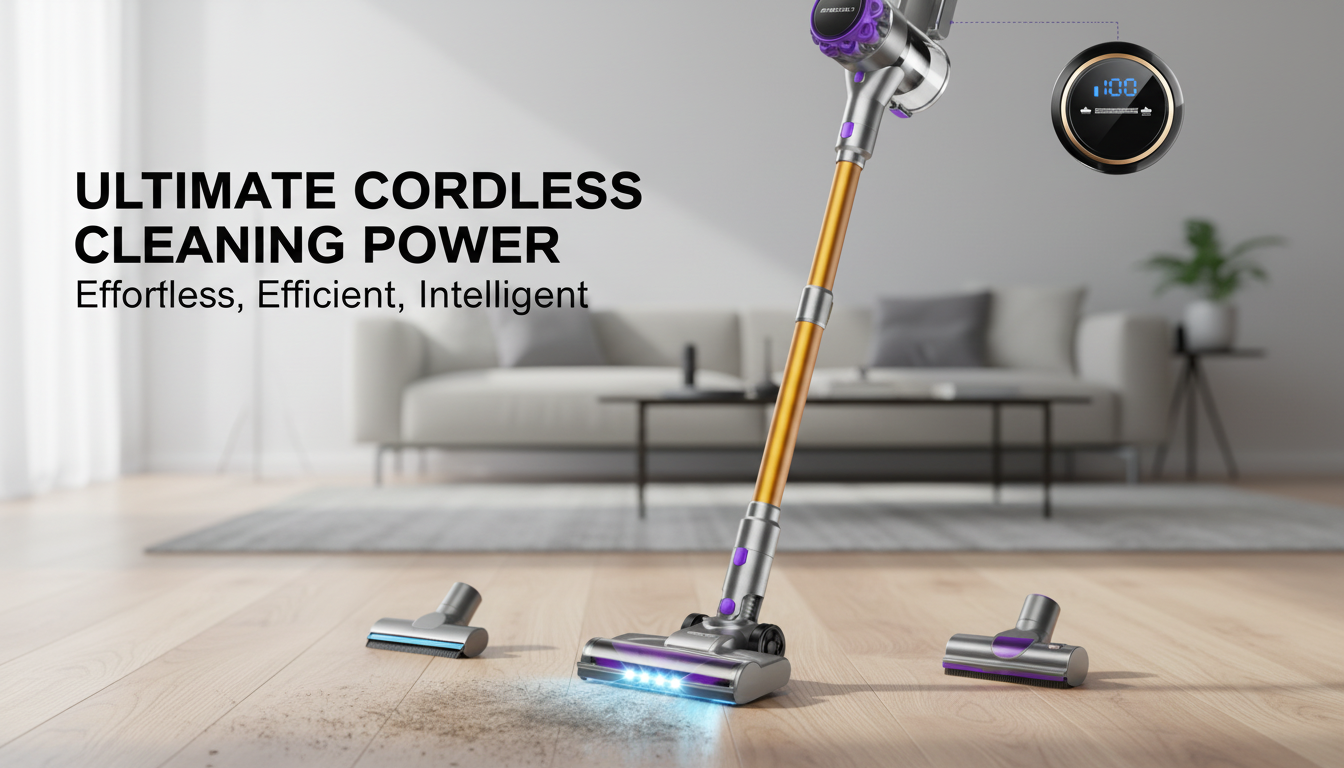
Why a Cordless Stick Vacuum Like This Fits Real Life Cleaning
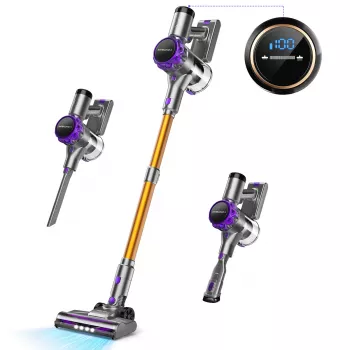
A cordless stick vacuum is often chosen for fast, everyday cleanups—especially in homes where dust, crumbs, and pet hair show up daily. The Cordless Stick Vacuum Cleaner with 30kPa Suction, LED Display & 55 Min Run aims to combine strong pickup with simple, on-the-spot feedback so it’s easier to stay ahead of messes without dragging out a full-size vacuum. With a claimed 30kPa suction rating, an LED status screen, and up to 55 minutes of runtime, it’s built for both quick passes and longer maintenance sessions—depending on the mode you use and how well airflow is maintained.
What Stands Out at a Glance
- 30kPa suction is designed to handle fine dust, larger debris, and deeper particles in rugs and carpeted areas.
- LED display supports quick status checks while cleaning (such as mode and battery level, depending on configuration).
- Up to 55 minutes of runtime can support multi-room cleaning without constant recharging.
- Cordless stick handling helps with room-to-room transitions, stairs, and tight spaces.
Cleaning Performance: Suction Power and Everyday Pickup
Suction strength matters most when debris isn’t sitting loosely on the surface. A 30kPa rating is positioned for more than just visible crumbs—it can help with tracked-in grit near entryways, pet hair that clings to fibers, and fine dust that settles into low-pile rugs. Stronger suction can also reduce how many passes it takes to “finish” an area, which is one of the biggest day-to-day benefits of upgrading from a weaker cordless model.
On hard floors, consistent suction helps pull dust from cracks along baseboards, around chair legs, and along the edges where debris tends to collect. For best real-world pickup, the floor head and brush action matter just as much as the suction rating: brush agitation helps lift hair and embedded debris, while good airflow keeps particles moving into the bin instead of scattering.
Maintenance affects performance more than most people expect. A clogged filter, a packed dust cup, or hair wrapped around the brush roll can make a powerful vacuum feel underpowered. Keeping airflow open is the quickest way to keep that “new vacuum” performance consistent.
Runtime and Battery Use: Getting Close to the 55-Minute Claim
Runtime claims are typically measured in a lower/standard setting rather than maximum suction. In daily use, it’s common to use standard mode for open hard-floor areas and switch to higher power only when you hit rugs, corners, and heavier messes. That approach can help you get closer to the longer runtime figure while still getting the deep-clean boost where it actually pays off.
Battery longevity also improves with small habits. After long sessions—especially if you’ve used high power—let the vacuum cool down briefly before charging. And if runtime suddenly drops, check for airflow restrictions before assuming the battery is failing: filters, dust cup, wand, and floor head blockages can all cause the motor to work harder and drain power faster. For additional battery care guidance, Battery University’s overview of lithium battery longevity is a helpful reference: How to Prolong Lithium-based Batteries.
LED Display and Controls: Clear Feedback While Cleaning
An LED display isn’t just a nice add-on—it can change how efficiently a cleaning session goes. Seeing battery status at a glance helps plan the rest of the job: tackle high-traffic zones first, then finish with lighter areas as the charge drops. Mode indicators also reduce guesswork, which is especially useful in shared households where different people use the vacuum and may prefer different settings.
If your display includes maintenance alerts (this varies by configuration), it can also prompt timely filter cleaning. That matters because suction is closely tied to airflow—when the vacuum “feels weak,” the issue is often blockage or a dirty filter rather than a true loss of motor power.
Filtration and Airflow: Keeping Suction Strong Over Time
For broader context on indoor air and particle control, the EPA’s home guidance is a solid starting point: EPA — Guide to Air Cleaners in the Home. For allergy-focused considerations, see: Asthma and Allergy Foundation of America — Air Filters and Air Purifiers.
Everyday Convenience: Handling, Reach, and Storage
Specifications and What They Mean in Real Use
Quick Specs and Practical Takeaways
| Feature | What to expect | Why it matters |
|---|---|---|
| Suction | Up to 30kPa | Higher suction can reduce repeat passes on carpets and pull out fine dust. |
| Runtime | Up to 55 minutes (varies by mode) | Longer sessions are easier on low/standard; max power is best for targeted deep-cleaning. |
| Display | LED status screen | Helps monitor battery/mode and maintain consistent cleaning without guesswork. |
| Cordless stick format | Room-to-room mobility | Faster daily cleanups, easier stairs and tight spots. |
Tips for Better Results on Carpets, Hard Floors, and Pet Hair
More In-Stock Picks
- Cordless Stick Vacuum Cleaner with 30kPa Suction, LED Display & 55 Min Run
- Car Safety Inspections eBook: Ultimate Guide for DIY Checklists, Tools, and Tips
- 8pcs Professional Makeup Brush Set
FAQ
Is 30kPa suction enough for carpets and pet hair?
It’s generally a strong level for a cordless stick vacuum, especially when paired with an effective brush roll. Results depend heavily on keeping the brush roll free of hair wrap and maintaining clean filters so airflow stays high.
Does the vacuum really run for 55 minutes?
The longest runtime is typically achieved in a lower/standard mode, with shorter time in maximum suction. Using boost only on rugs, edges, and heavier messes is the best way to stretch runtime during a whole-home clean.
How often should the filter and brush roll be cleaned?
Check the brush roll weekly in homes with pets and clean it whenever hair buildup is visible. Filters should be checked regularly as well; if washable, let them dry completely before reinstalling, and empty the dust cup before it becomes overfilled to protect airflow.









Leave a comment