50 Colorful Seahorse Resin Flat-Backs for DIY Jewelry
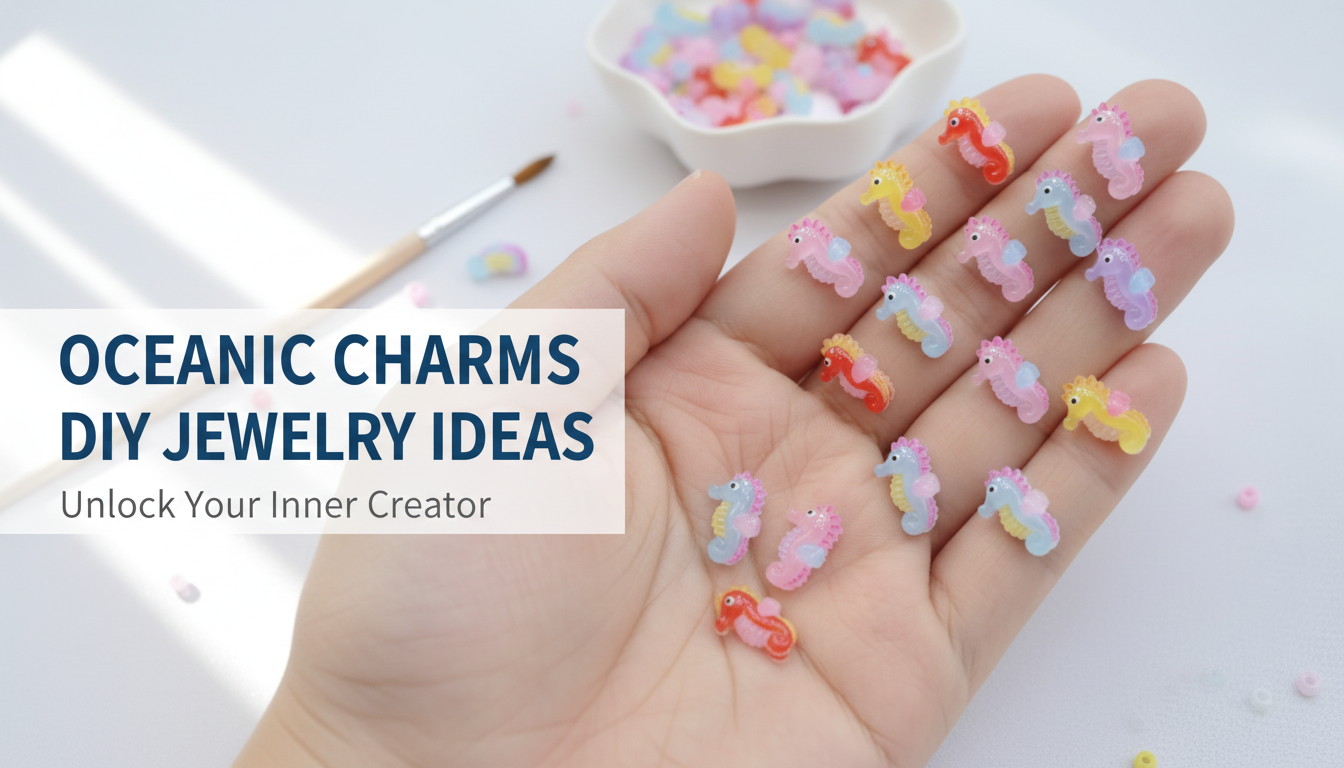
50 Colorful Hippocampus Japonicus Resin Flat-Back Ornaments for Jewelry and Crafts
These small resin flat-backs add an ocean-inspired focal point to earrings, phone cases, scrapbooks, hair accessories, and mixed-media projects. With a smooth, flat base for easy bonding and a colorful finish that stands out on light or dark backgrounds, they’re suited for quick batch-making as well as detailed, layered designs.
What These Flat-Back Ornaments Are
This pack includes 50 resin flat-back pieces shaped like a small hippocampus (seahorse-inspired) ornament. Each piece is designed with a smooth, flat underside so it can be glued onto jewelry findings, cabochon trays, blanks, and other craft surfaces with the right adhesive and a little prep. The colorful look works especially well for playful coastal themes, kawaii styling, mermaid-core palettes, or fantasy-inspired charm clusters.
If you’re stocking up for small-batch making or classroom craft bins, a multi-piece assortment like this makes it easy to produce coordinated sets without needing specialized tools.
Best Uses for Jewelry and DIY Projects
Because these are flat-backs rather than drilled charms, they shine in projects where the base component provides the “hanger” or structure.
Jewelry
- Glue-on earrings (stud pads, post plates, or small trays)
- Pendants and layered necklace centers (mounted to a bezel or base plate)
- Charm clusters (combine multiple flat-backs on a larger backing)
- Cabochon-style rings (especially on adjustable ring bases with a pad)
Accessories
- Hair clips and bobby pins (bond to a metal pad or decorated base)
- Keychains, bag charms, and zipper pulls (attach the resin piece to a blank, then add jump rings)
- Badge reels and lanyard toppers (use a firm backing plate for stability)
Lifestyle and decor crafts
- Phone cases (best on rigid cases or away from flex points on soft cases)
- Magnets and mini keepsake boxes
- Picture frames, decorative plaques, or small giftable décor
- Resin shaker elements as embedded décor (when compatible with your resin system)
Paper crafts
These can be used on scrapbook covers and gift tags, but use a stronger tacky glue and allow full cure time. For best results, mount the ornament onto a sturdier chipboard layer first, then adhere the chipboard to paper to reduce warping and improve long-term hold.
Materials and Finish: What to Expect from Resin Pieces
Resin flat-backs are typically lightweight compared with metal charms, which helps keep earrings and layered accessories comfortable—especially if you’re building multi-charm looks. Since colorful resin assortments may include slight shade variation, sorting pieces by tone before assembly can help you build matched pairs and symmetrical sets.
Raised details read best against simple backgrounds. If a project surface already has a busy print (glitter vinyl, patterned acrylic, or heavily textured paper), balancing the design with a solid-color base plate underneath the ornament can make the hippocampus silhouette pop.
When crafting with resins, adhesives, or sealants, prioritize ventilation and safe handling practices. For general chemical safety guidance, refer to NIOSH/CDC resources and the UK Health and Safety Executive (HSE) guidance.
How to Attach Flat-Back Ornaments Securely
A strong bond depends on matching the adhesive to the surface and doing simple prep. Metal blanks, acrylic, plastic phone cases, wood, and sealed paper all behave differently, so choose accordingly. For smoother plastics and metals, lightly scuff the bonding area with fine-grit sanding and wipe clean before gluing to improve grip.
After placement, clamp or press the piece while curing and avoid shifting it until the adhesive reaches handling strength. For wearable items that get bumped (rings, keychains, bag charms), a two-part approach—adhesive plus a bezel tray or backing plate—adds mechanical support that can reduce failures over time.
Attachment Guide by Project Surface
| Surface | Recommended approach | Extra tip for durability |
|---|---|---|
| Metal jewelry blanks | Strong jewelry glue or epoxy; bond flat-back to a pad or tray | Scuff metal lightly and degrease before bonding |
| Phone case plastic | Adhesive formulated for plastics or epoxy | Test a hidden spot first; avoid flex points on soft cases |
| Wood or MDF | Tacky craft glue or epoxy | Seal porous wood for a cleaner bond and less soak-in |
| Paper and cardstock | Thick tacky glue; press flat while drying | Mount onto a chipboard layer to prevent warping |
| Resin artwork / embeds | Place as a decorative layer and encapsulate with clear resin (if compatible) | Pour in thin layers to reduce floating and bubbles |
Design Ideas for Batch-Making (Sets That Look Intentional)
With 50 pieces, it’s easy to make sets that feel curated rather than random—especially if you start with a quick sorting step.
Care Tips for Finished Pieces
What’s Included and Quick Specs
Shop In-Stock Picks
- 50Pcs Colorful Little Hippocampus Japonicus Resin Flat Back Ornaments for Jewelry & Crafts
- 8pcs Professional Makeup Brush Set
- Car Safety Inspections eBook: Ultimate Guide for DIY Checklists, Tools, and Tips
FAQ
What glue works best for resin flat-back pieces?
Choose adhesive based on the surface: epoxy or strong jewelry glue is usually best for metal blanks and high-wear items, while tacky craft glue can work for paper and some porous surfaces. Cleaning and lightly scuffing smooth surfaces (like metal or plastic) improves grip and durability.
Can these be used on phone cases and other plastics?
Yes—use an adhesive formulated for plastics or a reliable epoxy, and clean the area well before bonding. Place the ornament away from flex points on soft cases and allow the adhesive to fully cure before everyday handling.
How can matching pairs be made from a mixed-color pack?
Sort pieces by shade and size under good lighting, then lay out pairs before you start gluing. Use the closest matches for earrings first, and save the remaining pieces for clusters, asymmetrical designs, or multi-charm layouts.









Leave a comment