Mindfulness for Anxiety: Quick Grounding & Calm Routines
Calm in the Chaos: Mindfulness Exercises to Ease Anxiety
Anxiety can spike in the middle of ordinary moments—an email notification, a crowded room, a long to-do list. Mindfulness helps by shifting attention from spiraling thoughts to direct, steady experience in the body and senses. The practices below are designed to be simple, repeatable, and usable in real life: at home, at work, or on the go. Choose one exercise, try it for a few minutes, and let consistency do the heavy lifting.
What anxiety feels like in the mind and body
Anxiety often shows up as a mix of mental “noise” and physical stress signals. In the mind, it can look like racing thoughts, catastrophic predictions, difficulty concentrating, or looping worries that feel urgent and sticky. In the body, it may feel like a tight chest, shallow breathing, stomach discomfort, a clenched jaw, or restless, wired energy.
Mindfulness can help because it’s essentially attention training: learning to notice what’s happening without immediately reacting to it. That pause—sometimes only a second long—can reduce reactivity and make room for a more supportive next step. A practical goal is to reduce the intensity and duration of anxious waves rather than trying to force anxiety to disappear on command.
A quick reset: the 60-second grounding routine
When anxiety spikes, grounding pulls attention out of “what if” and into what’s actually here. Try this 5-4-3-2-1 routine anywhere:
- Name five things you can see; let your eyes rest on each for one full breath.
- Name four things you can feel (feet in shoes, fabric on skin, air on face).
- Name three things you can hear (near and far).
- Name two things you can smell (or imagine a familiar calming scent).
- Name one thing you can taste (sip water, notice saliva, or a mint).
Finish with one slow exhale that’s slightly longer than your inhale. The point isn’t perfect calm—it’s a small shift toward steadiness.
Breath practices that calm without forcing relaxation
Breathing practices work best when they’re gentle. If you strain, your body may interpret it as danger. Pick one option and keep it easy:
Box breathing (1–3 minutes)
Inhale for 4, hold for 4, exhale for 4, hold for 4. Keep it soft and stop if dizziness appears.
Lengthened exhale (2–5 minutes)
Inhale through the nose, then exhale through the nose or pursed lips, making the exhale 1–2 counts longer. This often reduces the “revved up” feeling without needing to control your breath tightly.
Hand-on-belly breathing (2–4 minutes)
Place one hand on your chest and one on your belly. Aim for the lower hand to move a bit more than the upper hand, as if you’re inviting the breath to drop lower.
If focusing on the breath increases anxiety, skip it. Switch to sound, touch, or visual grounding instead. That’s still mindfulness—just with a different anchor.
Body-based mindfulness for anxious energy
When anxiety lives in the body, body-based practices can help discharge tension and restore a sense of “I’m here, and I can handle this.”
Progressive muscle release (3–7 minutes)
Body scan (5–10 minutes)
Orienting (1–2 minutes)
Micro-movement reset
Thoughts, not alarms: noticing worry without merging with it
Labeling (30–90 seconds)
Leaves on a stream (2–4 minutes)
Name the story
Compassionate phrasing
A choose-your-moment practice table
| Situation | Try this (time) | What to focus on | Helpful cue |
|---|---|---|---|
| Sudden spike of panic | 5-4-3-2-1 grounding (1–2 min) | Senses and environment | “Name what is here.” |
| Racing thoughts at night | Leaves on a stream (3–5 min) | Thoughts passing by | “Thoughts aren’t commands.” |
| Tight chest / shallow breathing | Lengthened exhale (2–5 min) | Exhale and soft belly | “Longer out-breath.” |
| Restless, wired energy | Progressive muscle release (5–7 min) | Tension and release | “Tense, then let go.” |
| Overwhelm at work | Orienting + one slow exhale (60–90 sec) | Safety cues and posture | “Look, locate, exhale.” |
Making it stick: a simple weekly rhythm
For additional background on mindfulness and anxiety, see the American Psychological Association, the National Center for Complementary and Integrative Health, and the National Institute of Mental Health.
Guided support for daily practice
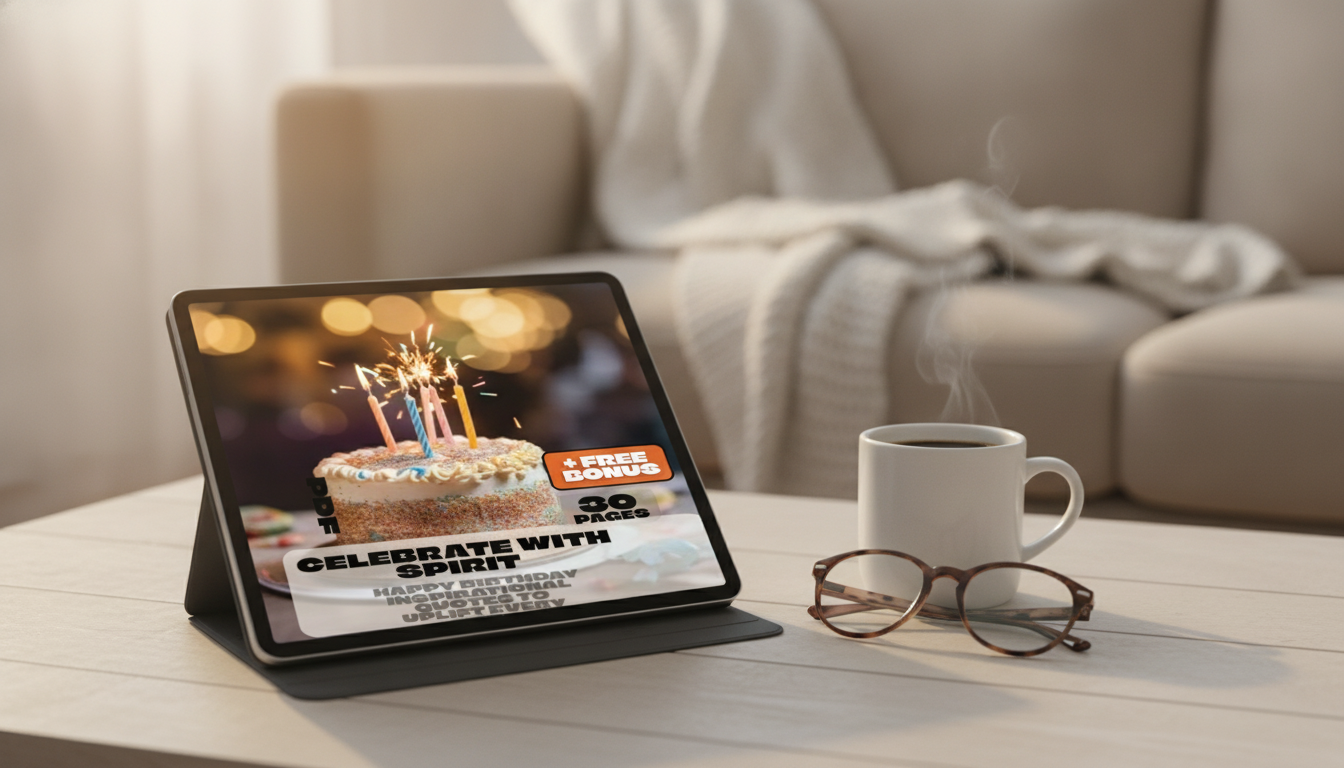
If you want a ready-to-use collection, Calm in the Chaos: Mindfulness Exercises to Ease Anxiety is designed for quick resets and repeatable routines you can return to daily.
Pairing guidance with a simple tracking habit (date, exercise, intensity before/after) helps you identify what works best. For a calming environment cue, some people like a predictable “reset ritual,” such as a warm shower with steady sensory input; a home upgrade like the Luxury Brushed Gold Concealed Shower System with 3 Modes Rain Shower Set can support a consistent wind-down routine. And if you prefer a small self-care anchor that encourages slow, deliberate attention, the 8pcs Professional Makeup Brush Set can be used for a brief, mindful “one-task-at-a-time” morning routine.
FAQ
How often should mindfulness exercises be done to ease anxiety?
A small daily baseline (about 2–10 minutes) tends to work better than occasional long sessions. Add a quick reset during spikes so your nervous system gets frequent, repeatable cues of safety.
What if focusing on the breath makes anxiety worse?
Switch to an external anchor like sounds in the room, a visual point, or the feeling of your feet on the floor. Keep breathing natural and try shorter intervals so the practice stays supportive rather than intense.
Can mindfulness stop a panic attack once it starts?
Mindfulness may not “shut it off” instantly, but it can reduce intensity and help you ride the wave with less fear. Grounding, orienting, and a lengthened exhale are often the most practical starting points, and frequent panic warrants professional support.








Leave a comment