Multifunctional Leather Dog Leash: Hands-Free & Adjustable
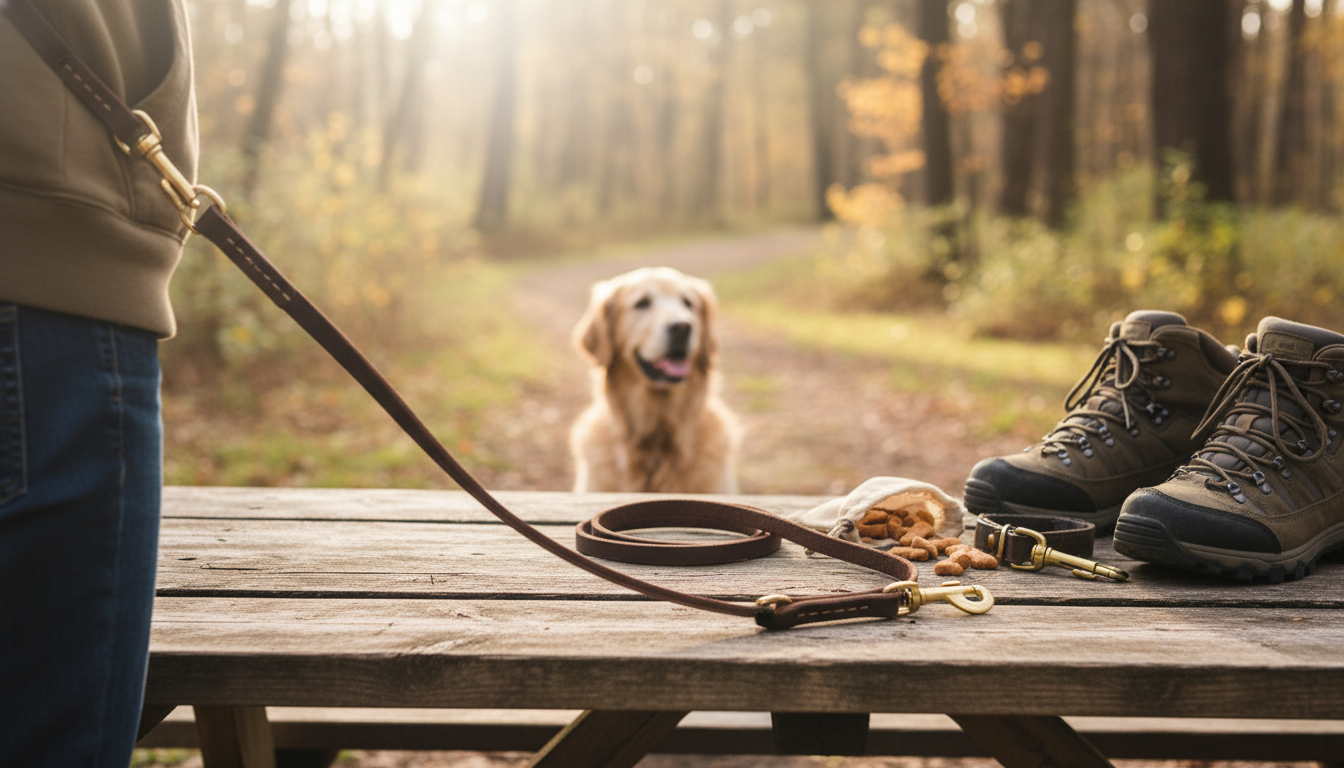
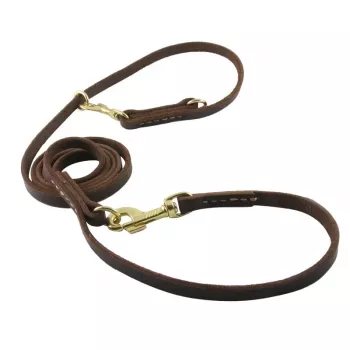
Multifunctional Genuine Leather Dog Leash: Comfortable Control for Everyday Walks and Training
A multifunctional genuine leather dog leash can simplify daily outings by combining secure handling, flexible configurations, and a comfortable feel in the hand. Whether you’re navigating tight sidewalks, practicing quick training reps, or pausing briefly outside a shop, a well-built leather leash can adapt without feeling fussy or complicated.
What “Multifunctional” Means in a Leather Dog Leash
When a leash is described as “multifunctional,” it typically means it’s designed to do more than clip on and go. The goal is to switch between common scenarios without needing a second leash or extra accessories.
- Multiple wear and handling options: Depending on the hardware and length, you may be able to use it as a standard hand-held leash, wear it crossbody, or wear it at the waist.
- Quick transitions between situations: Move from neighborhood walking to short training sessions to a supervised stop outside a café with minimal adjustments.
- Adjustable control points: Shorten up for close-heel moments or give more room for relaxed sniffing in safer areas.
- Leather advantages: Leather tends to feel naturally comfortable in the hand, offers solid tensile strength when properly constructed, and keeps a classic everyday look.
Everyday Uses: From Sidewalk Walks to Park Loops
Most real-life walks include a mix of environments—and that’s where adjustable setups earn their keep.
- City walking: When you’re near traffic, tight corners, or other pedestrians, use a shorter configuration or hold closer to the dog to reduce sudden darts into the street.
- Trail strolls: In quieter areas where dogs are allowed on-leash, a longer setup can support sniffing and exploration while keeping a reliable connection.
- Training moments: Shorten for a few “heel” reps, then return to a more normal length so your dog can decompress and stay engaged.
- Brief tie-outs: If the leash supports it, a quick loop around a fixed object can be useful for very short, supervised pauses—only where permitted and safe.
For step-by-step help improving loose-leash walking skills, the American Kennel Club’s loose-leash guide is a practical reference for reducing pulling without turning walks into a tug-of-war.
Fit, Comfort, and Handling
A leash can be strong on paper and still feel frustrating in daily use. Comfort and handling matter, especially when walks run long or your dog is unpredictable around distractions.
- Hand comfort: Leather often feels smoother than some synthetic lines, which can help reduce that “rope burn” sensation during sudden pulls or long stretches of walking.
- Gloves and weather: Consider how the leash feels with winter gloves and how it behaves when damp. Wet leather should be dried correctly to prevent stiffness.
- Dog comfort: Pair the leash with a well-fitted collar or harness that matches your dog’s size and pulling behavior.
- Control balance: For strong pullers, prioritize configurations that keep your posture stable and reduce wrist strain—hands-free isn’t always the best first choice.
For broader everyday care tips that support healthier, calmer walks, the ASPCA’s general dog care resources can help you refine routines around exercise, handling, and well-being.
Hardware and Build Details to Check
Leather is only part of the equation. Hardware and construction determine whether a leash feels secure and reliable in real-world use.
- Clasp reliability: Look for a smooth open/close action and a solid spring return. Avoid clasps that feel sticky, gritty, or inconsistent.
- Stitching and reinforcement: Stress points (near the clasp and the handle/attachment areas) should be securely stitched and reinforced.
- Edges and finish: Clean, finished edges help reduce fraying and improve comfort against your hands and clothing.
- Attachment compatibility: Make sure the clasp fits the D-ring on your dog’s collar or harness without crowding or awkward angles.
Configuration Ideas (Hands-Free and Adjustable Setups)
Common Leash Setups and When to Use Them
| Setup | Best for | Considerations |
|---|---|---|
| Standard hand-held | General neighborhood walks | Easy to adjust grip; keep slack managed to prevent tangles |
| Short lead / close control | Crosswalks, crowded sidewalks, vet lobby | Reduces dog’s range; avoid constant tight tension |
| Hands-free (waist) | Jogging or steady walking routes | Use with dogs that don’t lunge; keep quick access to a grab point |
| Hands-free (crossbody) | Longer strolls with mild pullers | Check rubbing points on clothing; keep leash clear of legs |
| Quick tie-out (supervised) | Short stops (paying, pickup) | Only where permitted; never leave a dog unattended |
Leather Care: Keeping It Strong and Good-Looking
Safety Notes for Confident, Low-Stress Walks
Product Spotlight: Multifunctional Genuine Leather Dog Leash
If you want one leash that can shift between close control and more relaxed pacing, Multifunctional Genuine Leather Dog Leash is built around flexible everyday handling with a classic leather look and comfortable grip. Before ordering, confirm the current photos, hardware details, and availability to match your preferred setup.
More In-Stock Picks
- Car Safety Inspections eBook: Ultimate Guide for DIY Checklists, Tools, and Tips (helpful for routine checklists before dog-friendly road trips)
FAQ
Is a genuine leather dog leash suitable for strong pullers?
Leather can be strong and comfortable, but suitability depends on the leash width, stitching quality, and hardware strength, as well as how hard the dog pulls. For heavy pullers, pair a sturdy leash with training support and use a configuration that improves handler stability.
How often should a leather leash be conditioned?
Condition as needed based on climate and use—typically when the leather looks dry or starts to feel stiff. After repeated wet exposure, a light conditioning can help restore suppleness, but avoid over-applying conditioner.
Can a multifunctional leash be used hands-free safely?
Hands-free setups can work well for steady dogs in controlled environments. Start in low-distraction areas, keep a quick grab point available, and avoid hands-free use if your dog lunges or reacts suddenly.







Leave a comment